NRA Atelier Strives to Create Aesthetically Pleasing, Functional, and Sustainable Spaces
NRA Atelier aims to design environments that are not only visually appealing but also functional and sustainable, enhancing people’s experiences. They describe themselves as a young, rebellious, and creative force with the goal of leaving a lasting mark on the spaces they shape.
We spoke with architect Nikola Radović about NRA’s personal signature, the imprint they have already left in architecture, and the projects we have collaborated on.
What type of projects do you particularly enjoy working on, and why?
In terms of personal preference, we most enjoy designing individual residential buildings – villas and houses – as well as smaller collective housing projects and public hospitality buildings. With these types of projects, we usually have the opportunity to approach architectural design in a unique way, going beyond basic design principles. This includes designing a lifestyle, creating spatial habits, planning residential units of various layouts, exploring and applying modern installation systems, and experimenting with new or advanced materials and technologies.
Additionally, for these types of buildings, we generally undertake a “total design” approach, which encompasses the conceptual solution, architectural design concept, the main project along with supporting engineering systems, and interior design. This allows us to design the building in its entirety, which brings us particular satisfaction.
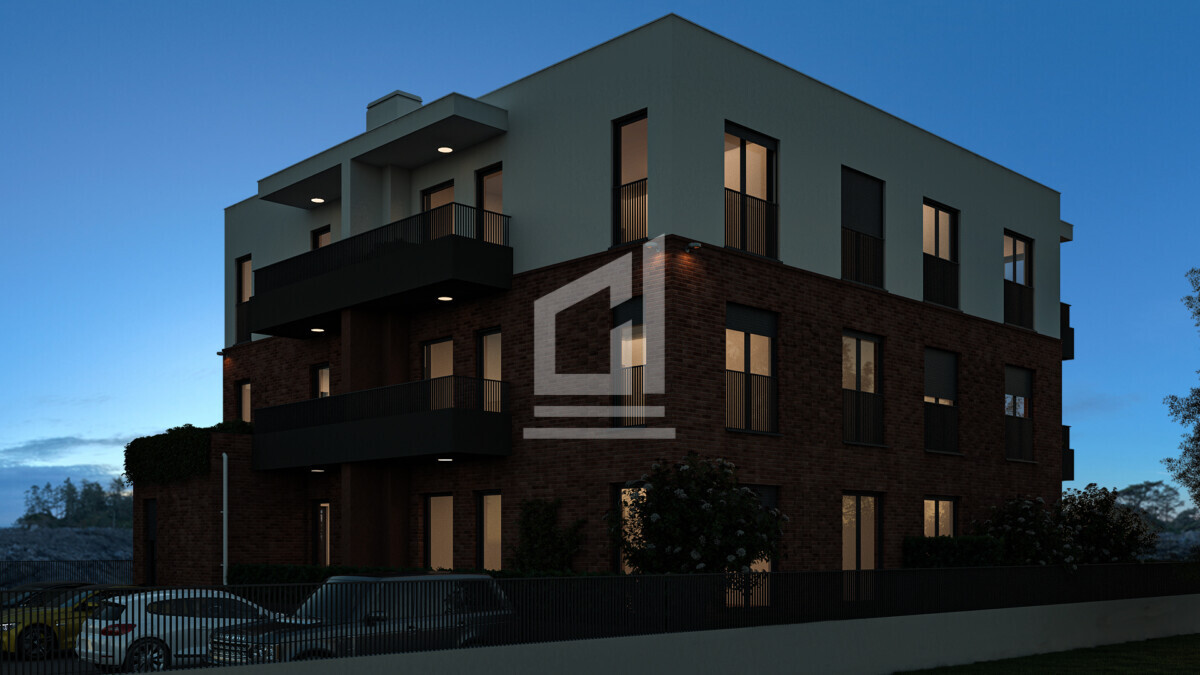
You worked on the Casa II & Brick House projects. How did you choose the materials for these two projects? Did you prioritize the combination of aesthetics and functionality, or follow a different concept?
Aesthetics and functionality are the two fundamental principles we follow when designing any building, regardless of its purpose. However, for these projects, these principles were particularly emphasized, as the primary goal during the concept development process was to create an experience and a unique lifestyle.
Casa II and Brick House were designed in a way that, from an aesthetic perspective, offers users a sense of warmth and belonging, while the functional aspect was carefully considered to ensure maximum comfort during the use of the space.
At the same time, the conceptual development was based on the intention to create residential buildings that offer something beyond standard features – namely, a sense of privacy and belonging to a community.
At first glance, what stands out about this building is the use of brick, which we don’t often see. Can you tell us more about this?
During the conceptual development of these buildings, we decided to use brick on the facade because of the warmth this material brings to the structures, further enhancing the overall living experience. Brick is an exceptionally versatile material for achieving this goal: its warm, earthy tones give the building a distinctive character, create a sense of intimacy for the user, and shape the perception of the building as a private, homely space.
How much do architectural trends change, and what is considered popular these days? What are the most common client requests?
In our opinion, the term “trend” in architectural design is often used broadly, but it is not always strongly reflected in practice. On one hand, there is the architect’s vision regarding the creation of a building with a specific form and the application of certain materials; on the other hand, there are urban planning parameters and client requirements. Reconciling these categories is a challenging task, but it is possible.
Regarding materials, we can say that the ventilated facade has recently made a significant breakthrough in our market. This is especially important for architects, as it provides greater flexibility in material application, contributing significantly to the building’s exterior aesthetics without compromising the functional aspects, which are equally important.
At the same time, NRA is structured to fully respect all client wishes within the boundaries of what is possible. However, most of our clients choose a different approach, placing their trust in our vision. As a result, their requests generally serve only as basic guidelines, while the conceptual development of the project is left entirely in our hands.
When it comes to timeless styles – what would you highlight as such?
Regarding timeless styles, we must say that we are not supporters of categorizing architectural works by style or, as it is sometimes called, “genre.” In this sense, we share the view held by many well-known architects, both globally and locally, that style in architecture is an outdated category. Today, we see a multitude of buildings with various functions whose facades and choice of materials cannot be confidently placed into any single stylistic category. On the contrary, most contemporary buildings can theoretically be seen as spatial manifestations of a combination of different styles in a visionary sense.
If we remove stylistic categories from the process of characterizing a building, what we could describe as a timeless approach to architectural design – regardless of the building’s purpose – would be: simplicity of form, careful material selection, and the intention for the space in which the building exists to remain free from unnecessary details. In this way, we believe, an architectural work is created that aesthetically transcends the boundaries of time.
What are the most common mistakes people make when furnishing an apartment, and why is hiring a professional a safe option?
The most common mistakes people make when furnishing an apartment are usually functional rather than aesthetic, since taste is subjective and varies from person to person. In practice, what we often see is, so to speak, the “wrong” orientation of furniture within the space, which reduces free movement and overall usability. Another frequent issue is furnishing with pieces that are over-dimensioned for the space—parts of the furniture may be unnecessarily large or lack practical functionality.
Hiring a professional is always a safe choice because, even if we ignore the fact that these experts have spent years studying spaces in various ways, their experience, knowledge of materials (including advantages and limitations), and understanding of functional interior design alone are sufficient reasons to choose this option.
Moreover, working with a professional saves the user significant time that would otherwise be spent on research, evaluating different options, and the furnishing process itself. It also opens up new possibilities, broadens perspectives, and ultimately allows the space to be used in a unique and optimized way.
Ultimately, how important is a good and professional team – something NRA can definitely be proud of?
NRA is made up of people who approach architecture and design professionally and ethically. Our team shares and believes in the principles on which the NRA concept is based, and the correlation between the diversity that naturally comes from a group of individuals and the overarching concept is, in our view, the most important component contributing to the creation of distinctive architecture.
Having the opportunity (and the fortune!) to work in a field we are passionate about, within a team that shares the same vision and love for the profession, is fundamental for achieving great results. It also fulfills a deep personal need—to be satisfied with what we have created.